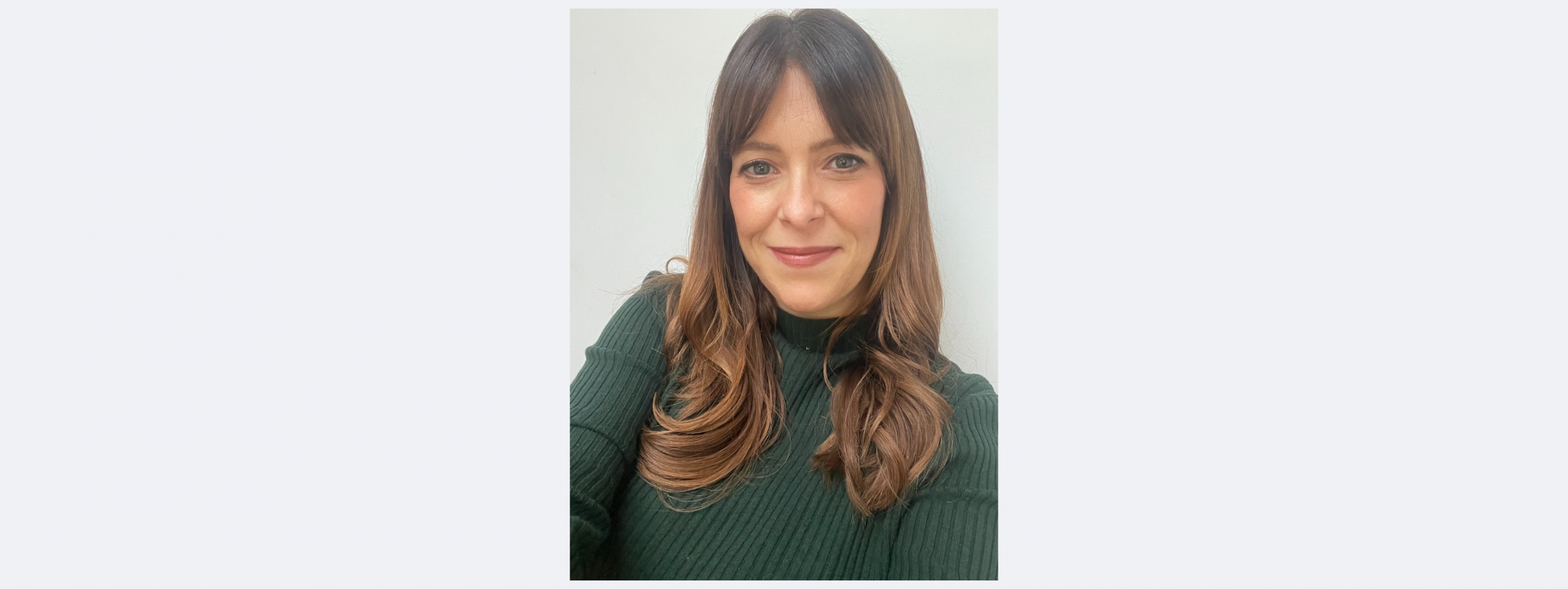
Diary of a Therapist Mum; what I wish I’d understood sooner.
I owe the mums who came before me an apology.
Like many millennials, I waited a longer than the generation before me to have children. My mum had her first baby at 24. I was 33 when my eldest arrived. In my twenties, I wasn’t even sure if I wanted children. If I’m honest, I wasn’t sure I particularly liked children either. The world of motherhood felt distant from me — almost like a different country entirely.
Meanwhile, some of my friends and colleagues began having babies in their mid-to-late twenties. And although I cared about them deeply, something shifted in our relationships that I didn’t fully understand at the time.
They changed.
Of course they did. Their lives had been turned upside down by love, responsibility, exhaustion, fear, identity shifts, and the relentless demands of caring for tiny humans. But from where I stood then, all I could see was distance.
They couldn’t come out spontaneously anymore. They cancelled plans. They were tired. Distracted. Less available. Conversations changed. Priorities changed. They changed.
And quietly, somewhere underneath it all, I resented that.
Not them, exactly. But the loss of who they had been before. The loss of ease in our friendships. The feeling that motherhood had taken them somewhere I couldn’t follow.
I wasn’t cruel. I didn’t abandon anyone. I didn’t intentionally make life harder for them. But I also wasn’t the friend they needed me to be.
I didn’t offer extra help.
I didn’t check in deeply.
I didn’t instinctively think, she must be drowning.
I didn’t understand how much they were carrying.
More truthfully perhaps — I didn’t try hard enough to understand.
Then I became a mother myself.
And by then, many of those friends were already beyond the hardest years. Their children were older. They were sleeping again. Re-emerging again. Some had understandably forgotten the rawness of those early days.
And suddenly I found myself standing in the very place they had once stood: overwhelmed, isolated, emotionally stretched thin, and quietly shocked by how lonely motherhood could feel.
Not because nobody loved me.
But because there is a particular kind of loneliness that comes from feeling profoundly unseen.
I noticed how the world keeps moving around you while you are barely managing to keep your head above water. I noticed how few people truly ask how you are — not the polite version, but the real version. I noticed the dawning realisation that nobody is coming to rescue you from the relentlessness of it all.
And I noticed something else too.
I remembered the friend I had once been.
Not a bad friend. But at times, not a good enough one either.
Because empathy is sometimes limited by experience. And when we haven’t lived something ourselves, it can be dangerously easy to underestimate the weight of it for someone else.
I think about those women often now.
The friends who were trying to survive on broken sleep and invisible labour while I quietly judged how much they had changed.
The women who perhaps needed softness from me and instead got distance.
The mothers who may have felt forgotten, abandoned, or misunderstood by people they loved.
If I could go back, I would do some things differently.
I would offer practical help instead of waiting to be asked.
I would tolerate the inconvenience of friendship changing shape.
I would understand that becoming a mother often requires losing parts of yourself before you slowly rebuild again.
I would know that when a mother cancels plans, seems absent, or disappears into survival mode, it is rarely because she doesn’t care.
It is because she is carrying more than most people can see.
I can’t go back and undo those moments.
But I can say this now:
I’m sorry.
To my friends.
To the mothers who felt alone.
To the women who remember exactly who showed up for them — and who didn’t.
Your hurt was real, even if it was never intentional.
And perhaps that’s part of what makes motherhood so tender: the quiet grief of discovering who truly understands you once your world changes completely.
If you are in that season now — feeling unseen, unsupported, or painfully aware of how much your relationships have shifted — please know this:
Your loneliness makes sense.
Your overwhelm makes sense.
And the version of you struggling to hold everything together deserves far more compassion than the world often gives her.
https://www.facebook.com/?locale=en_GB
No responses yet