Breaking the Silence: Why Mental Health Awareness Matters Now More Than Ever
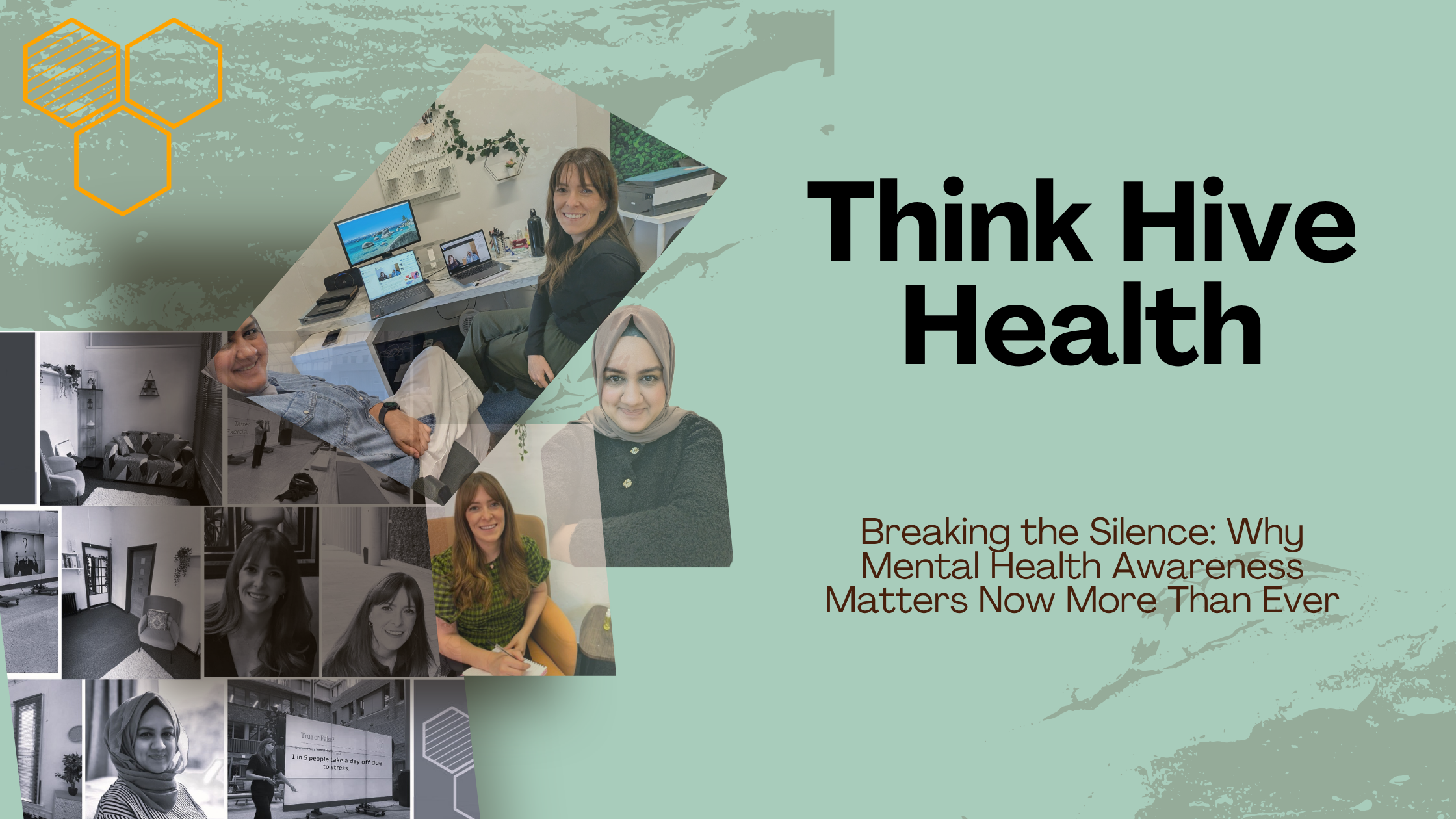
Mental health is no longer a topic confined to hushed conversations or clinical settings. It is a core part of our overall well-being, influencing how we think, feel, interact, and navigate everyday life. Yet despite growing openness, millions of people continue to face emotional distress in isolation due to persistent social stigma and a lack of early support. Raising mental health awareness isn’t just about sharing quotes on social media—it is about creating spaces where asking for help is seen as a sign of strength rather than weakness, and ensuring people receive timely support before reaching a crisis point.
The Mental Health Reality in the UK
In the UK, mental health has become one of the most pressing public health challenges. According to recent NHS and charity data, approximately 1 in 4 adults in England experience a mental health problem in any given year, with common conditions like anxiety and depression reaching record levels. Factors such as cost-of-living pressures, workplace stress, and social isolation have intensified these challenges across all age groups. While awareness campaigns have helped destigmatise mental health, NHS mental health services remain under significant strain, with over 2 million people currently in contact with adult community care. This makes local community support, workplace mental health initiatives, and open discussions around early intervention vital components of the UK’s overall health strategy.
Shedding Light on Women’s Mental Health
While mental health challenges affect everyone, women face unique biological, social, and structural pressures that directly impact their psychological well-being. In England, roughly 24% of women experience a common mental health condition in any given week, compared to 15% of men, with young women aged 16 to 24 at particularly high risk. Reproductive life stages—such as pregnancy, the postnatal period (where 1 in 10 women experience postnatal depression), and the menopause—bring significant hormonal and emotional shifts. Furthermore, women disproportionately carry unpaid caregiving duties and face higher rates of domestic abuse and gender-based trauma, both of which are strongly linked to conditions like anxiety, depression, and PTSD. Addressing women’s mental health requires tailored, trauma-informed care that acknowledges these distinct life experiences.
The Overlooked Link: ADHD and Mental Health
Attention Deficit Hyperactivity Disorder (ADHD) is often thought of purely as a neurodevelopmental condition affecting focus and executive function, but its connection to broader mental health is profound. Undiagnosed or unmanaged ADHD frequently exists alongside conditions like anxiety, depression, and chronic stress. Navigating a world designed for neurotypical brains can lead to persistent feelings of overwhelm, low self-esteem, and burnout from constant masking—hiding one’s symptoms to fit in. Recognising ADHD as an integral part of the mental health conversation ensures that individuals receive holistic care, addressing not just the core symptoms of executive dysfunction, but also the emotional toll that comes with them.
How to Support Yourself and Others
Building a culture of mental health awareness starts with actionable habits in our day-to-day lives:
- Listen without judgement: When a friend or colleague opens up, focus on validating their feelings rather than rushing to fix their problems.
- Prioritise self-care: Set firm boundaries around work, rest, and screen time to prevent burnout.
- Know where to turn: Familiarise yourself with available resources—whether through your local GP, workplace mental health first aiders, or UK charities like Mind, Samaritans, and YoungMinds.
No responses yet